Discovering the Benefits and Techniques of Aluminum Casting in Modern Manufacturing
Aluminum casting has actually arised as a crucial technique in modern-day manufacturing. Its light-weight buildings enhance power effectiveness and lower transport prices. In addition, improvements in casting approaches enable intricate layouts and quick prototyping. Nonetheless, the advantages expand past mere performance. The sustainability of aluminum casting procedures provides substantial implications for various industries. Comprehending these aspects can expose the transformative impact of aluminum in contemporary production practices. What additional technologies could redefine its function?
The Lightweight Advantage of Aluminum Casting
Aluminum casting offers a substantial lightweight benefit that is transforming sectors reliant on resilient yet workable products. This property is especially beneficial in fields such as automotive and aerospace, where every ounce counts in performance and gas performance. The lowered weight of aluminum components permits enhanced handling, reduced transportation costs, and enhanced energy efficiency during operation. Unlike larger metals, aluminum supplies a balance of stamina and agility, making it a perfect selection for complicated applications that demand high efficiency without giving up architectural honesty. Additionally, the deterioration resistance of aluminum extends the life expectancy of actors components, minimizing the demand for regular replacements. This mix of lightweight characteristics and resilience settings aluminum casting as an important innovation in modern production processes, urging advancement and supporting the advancement of sophisticated products that fulfill the progressing needs of numerous industries.
Boosted Layout Versatility and Intricacy
Layout flexibility and intricacy are substantially enhanced via making use of aluminum casting, enabling manufacturers to produce complex shapes and kinds that were formerly unattainable with typical methods. This capability allows the production of parts with thorough geometries, such as intricate internal passages and thin-walled structures, which can especially boost the performance of the last item.
Moreover, aluminum casting techniques, such as die casting and sand casting, help with quick prototyping, allowing designers to repeat and refine their ideas quickly. The ability to generate customized molds likewise contributes to much better placement with particular design needs, lowering material waste and decreasing the demand for extensive machining.
Additionally, the light-weight nature of aluminum enhances its style adaptability, as it permits both visual allure and useful performance. Generally, the innovations in aluminum casting offer suppliers with the devices to press the borders of design, promoting advancement across various markets.
Superior Thermal and Electric Conductivity
Aluminum's premium thermal and electric conductivity makes it an essential product in numerous manufacturing applications. Compared to other metals, aluminum offers considerable benefits, particularly in warm dissipation and electric effectiveness. Aluminum Castings. This building enables its widespread usage in industries varying from auto to electronics, boosting total performance and dependability
Thermal Conductivity Advantages
A key benefit of aluminum casting exists in its superior thermal and electric conductivity, making it a perfect selection for different applications in contemporary production. The high thermal conductivity of aluminum enables reliable heat dissipation, which is vital in markets such as automobile and electronic devices. Elements crafted from aluminum can properly manage temperature level fluctuations, lengthening the lifespan of items and boosting performance. This attribute additionally enables makers to produce light-weight layouts without compromising thermal performance. In addition, aluminum's capability to withstand thermal biking even more strengthens its setting in requiring atmospheres. As sectors increasingly focus on power effectiveness and performance, the thermal conductivity benefits of aluminum casting become significantly considerable in driving development and sustainability.
Electrical Conductivity Applications
The electrical conductivity of aluminum complements its thermal properties, making it a valuable material in various applications within modern manufacturing. This conductivity makes it possible for reliable power transfer, which is essential in electric parts such as wiring, adapters, and circuit boards. Aluminum's lightweight nature further improves its allure in applications where decreasing weight is necessary, such as in aerospace and automobile sectors. In addition, aluminum casting allows for the development of complex forms, maximizing the efficiency of electric devices. The product's resistance to corrosion and oxidation also adds to durability in electrical settings, guaranteeing dependability. Generally, aluminum's premium electric conductivity placements it as a recommended choice in markets that require high efficiency and performance in their electric applications.
Comparison With Various Other Steels
While aluminum is renowned for its premium thermal and electrical conductivity, it is necessary to compare its residential properties with those of other steels to comprehend its advantages totally. Copper, as an example, shows also greater electrical conductivity, making it more effective in particular applications like circuitry. However, copper's weight and price can limit its usage. In contrast, aluminum provides a beneficial balance of conductivity, weight, and price, making it suitable for many manufacturing applications. Furthermore, aluminum's thermal conductivity is normally above that of stainless steel and titanium, her comment is here which are commonly used in high-temperature atmospheres. Eventually, aluminum stands out not just for its conductivity however also for its light-weight and corrosion-resistant residential properties, making it a versatile selection in contemporary manufacturing.
Cost-Effectiveness and Minimized Material Waste
Making the most of cost-effectiveness and reducing product waste are essential advantages of aluminum casting in contemporary manufacturing. Aluminum's light-weight nature adds to lower delivery prices and energy consumption during manufacturing. In addition, its excellent recyclability means that scrap material produced throughout the casting why not try this out procedure can be recycled, significantly lowering the general material costs.
Aluminum casting methods commonly permit for complicated forms to be generated with fewer additional procedures, which streamlines the manufacturing procedure and lowers labor expenditures. The capability to produce precise elements decreases the need for too much machining, additional lessening waste.
Companies adopting aluminum casting take advantage of reduced manufacturing time and boosted performance, bring about overall expense savings. This mix of lower material costs, reliable reusing approaches, and reliable manufacturing procedures placements aluminum casting as an economically helpful choice in the affordable landscape of contemporary manufacturing.
Technologies in Aluminum Casting Techniques
Recent advancements in aluminum casting methods are transforming the manufacturing landscape. Advancements such as the combination of additive production, improved mold and mildew designs, and environmentally friendly casting procedures are driving effectiveness and sustainability. These growths not only enhance item high quality however additionally lower ecological impact in the aluminum casting market.
Additive Production Combination
Additive manufacturing is reinventing aluminum casting techniques by making it possible for the manufacturing of intricate geometries and lightweight structures that were formerly unattainable. This combination permits makers to take advantage of 3D printing technologies to develop complex mold and mildews and cores, which help with the casting of detailed designs with enhanced precision. Additionally, additive production minimizes product waste and reduces lead times, making it a much more lasting and reliable approach. Because of this, business can react more rapidly to market needs and personalize products to satisfy certain consumer needs. This synergy between additive production and aluminum casting not only enhances design adaptability yet additionally settings makers to introduce continuously, driving developments in efficiency and product performance within the competitive landscape of modern-day production.
Improved Mold Style
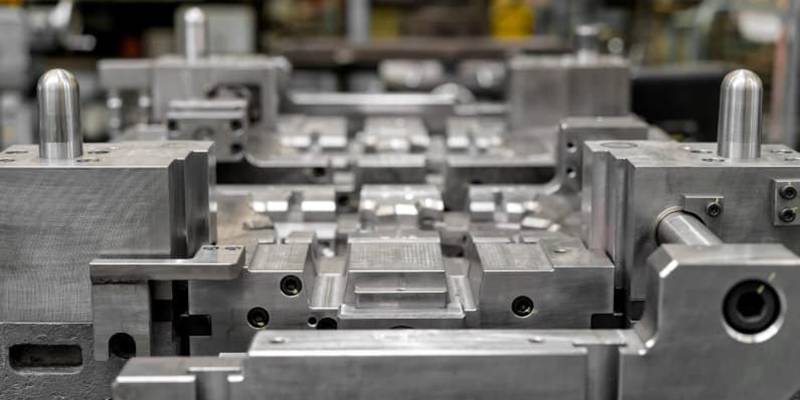
As producers look for to boost performance and product quality, technologies in mold style have actually become an essential consider contemporary aluminum casting techniques. Advanced mold and mildew materials, great post to read such as silicon carbide and graphite, boost thermal conductivity and resilience, allowing for faster air conditioning and enhanced surface area coatings. Moreover, the combination of computer-aided style (CAD) technology enables specific mold and mildew geometries, helping with complicated shapes that were formerly challenging to achieve. Technologies like 3D-printed molds likewise offer fast prototyping capacities, lowering preparations significantly. Additionally, modular mold and mildew layouts permit simpler modifications and repair work, minimizing downtime during production. Jointly, these improvements not just enhance making processes however additionally add to the general high quality of aluminum actors products, fulfilling the progressing demands of different markets.
Eco-Friendly Casting Processes
While the aluminum casting market remains to advance, an expanding emphasis on sustainability has brought about the development of green casting processes. These innovative techniques intend to decrease ecological influence by minimizing waste and energy consumption. One remarkable strategy involves utilizing recycled aluminum, which significantly lowers the carbon impact related to resources removal. Furthermore, improvements in mold products and designs enable much more effective warmth transfer, lowering power needs throughout production. Water-based coverings and binders replace traditional solvents, furthermore decreasing hazardous emissions. Additionally, some producers are embracing closed-loop systems, making sure that waste materials are reused within the production cycle. Collectively, these green casting processes not only improve sustainability however also add to a more accountable production landscape.
Sustainability in Aluminum Casting Processes
Sustainability in aluminum casting procedures has become a centerpiece for manufacturers aiming to lower their ecological influence. The market is increasingly adopting techniques that lessen waste and boost resource effectiveness. One considerable method involves making use of recycled aluminum, which needs only a portion of the energy needed to generate new metal from ore. This not just saves sources however likewise minimizes greenhouse gas exhausts related to production.
Advancements in innovation have led to even more energy-efficient casting methods, such as low-pressure and gravity casting, which enhance product usage and minimize energy usage. Aluminum Castings. Makers are additionally applying closed-loop systems that enable the recycling of scrap material produced during the casting procedure. In addition, the usage of environment-friendly finishings and lubricants further adds to a more lasting procedure. Overall, these initiatives reflect a commitment to environmental stewardship while keeping the top quality and efficiency of aluminum casting
Applications of Aluminum Casting Throughout Industries
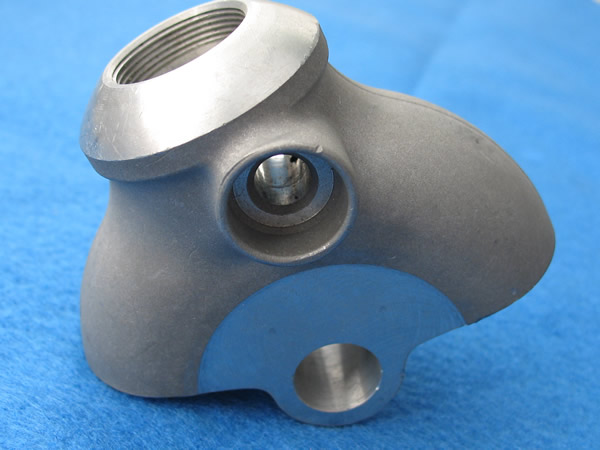
Aluminum casting locates comprehensive applications throughout different industries as a result of its light-weight, toughness, and adaptability. In the automotive sector, aluminum castings are employed to produce engine blocks, transmission housings, and wheels, boosting gas effectiveness while decreasing discharges. The aerospace sector utilizes aluminum spreadings for structural components, taking advantage of their high strength-to-weight ratio, which is essential for trip security and performance.
In the consumer electronics field, aluminum castings are made use of for real estate and structural components, giving resilience and visual charm. In addition, the construction industry leverages aluminum castings for building components and components, utilizing on their resistance to rust.
The aquatic industry includes aluminum spreadings in watercraft structures and engine parts, reflecting its suitability for extreme settings. Overall, the diverse applications of aluminum casting underscore its relevance in contemporary production, contributing to innovation and performance throughout different fields.
Regularly Asked Concerns
What Are the Common Alloys Made Use Of in Aluminum Casting?
The usual alloys made use of in aluminum casting include 413, 356, and A380. These alloys are valued for their excellent fluidness, toughness, and corrosion resistance, making them ideal for various applications in production and engineering.
Just How Does Aluminum Casting Contrast to Various Other Casting Methods?
Aluminum casting offers unique benefits over other casting approaches, such as lighter weight, excellent corrosion resistance, and exceptional thermal conductivity. It likewise enables intricate styles and faster manufacturing times compared to standard products like iron or steel.
What Is the Common Life-span of Aluminum Cast Products?
The typical life-span of aluminum actors products varies, generally ranging from 20 to half a century, depending on aspects such as environmental problems, maintenance, and particular applications. Correct treatment can significantly expand their sturdiness and efficiency.
Are There Any Type Of Health Threats Connected With Aluminum Casting?
The concern of health risks related to aluminum casting emerges because of prospective exposure to aluminum dirt and fumes. Extended breathing might lead to breathing concerns, emphasizing the significance of ideal precaution throughout the casting process.
Exactly How Can Flaws Be Decreased in Aluminum Casting?
To reduce problems in aluminum casting, manufacturers can execute strict quality assurance measures, enhance mold and mildew styles, keep appropriate temperature control, make use of proper alloy make-ups, and use reliable cleansing strategies to ensure a defect-free casting process.